Puerto Rico Travel Guide 2025: Budget & Tips

Puerto Rico beach vacation rental

# The Ultimate Puerto Rico Travel Guide 2025

Welcome to your definitive guide to exploring the vibrant, enchanting island of Puerto Rico in 2025. Known as the “Island of Enchantment,” Puerto Rico offers a travel experience unlike any other in the Caribbean. It is a place where history is etched into cobblestone streets, nature unfolds in dramatic landscapes, and culture is a lively, ever-present rhythm. Whether you are seeking sun-drenched beaches, lush rainforest adventures, or a deep dive into a rich cultural tapestry, Puerto Rico delivers a vacation that is both effortlessly accessible and profoundly memorable.

Ready to Experience Condado?

Book directly with KTJ Krug LLC and save on fees. Luxury beachfront rentals starting at $200/night.

View Available Properties

12 luxury properties in Condado, Puerto Rico
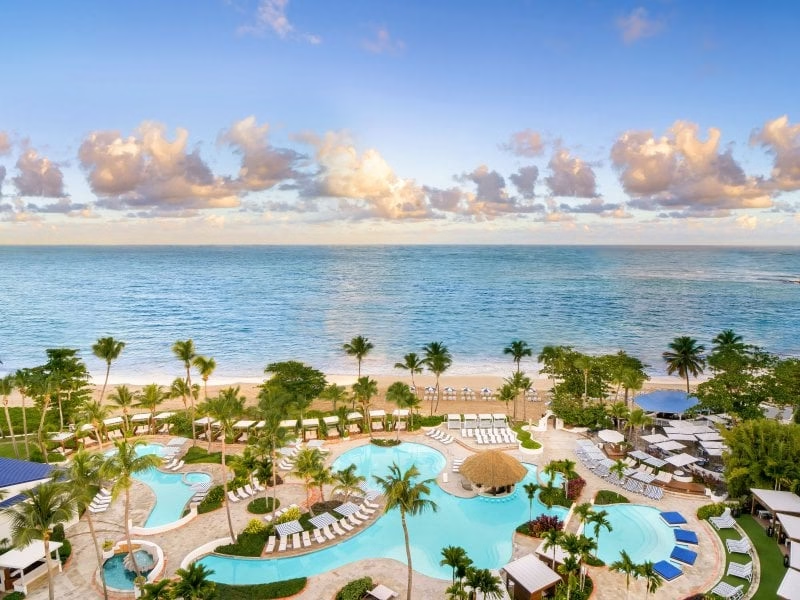
This guide is designed to be your comprehensive resource for planning the perfect getaway. We will journey through the island’s diverse regions, from the historic heart of Old San Juan to the legendary surf breaks of the west coast. We will uncover the best experiences, from kayaking in world-famous bioluminescent bays to savoring the complex flavors of its burgeoning culinary scene. And, most importantly, we will provide you with the practical, up-to-date information you need to travel with confidence in 2025. For those seeking an elevated experience, we will also highlight opportunities for luxury stays, including premier properties like those offered by KTJ Krug in Condado.

## Why Choose Puerto Rico for Your 2025 Vacation?

In a world of endless travel options, Puerto Rico stands out for its unique blend of convenience, adventure, and cultural depth. For American travelers, the island offers a distinctly international feel with all the ease of domestic travel—no passport required. The currency is the U.S. dollar, and English is widely spoken, making logistics seamless from the moment you arrive.

But the true magic of Puerto Rico lies in its incredible diversity. The island’s geography spans from palm-fringed beaches and world-class surf spots to the only tropical rainforest in the U.S. National Forest System, El Yunque. This compact island, just 100 miles long by 35 miles wide, packs in an astonishing variety of landscapes and ecosystems, meaning you can watch the sunrise over the Atlantic and set over the Caribbean, all in a single day’s drive. The culture is a vibrant fusion of Taíno, African, and Spanish influences, palpable in the music, art, food, and the warm, welcoming spirit of its people.

## Getting to Know Puerto Rico: The Essentials

Before you pack your bags, understanding a few key aspects of the island will help you make the most of your trip. From its year-round tropical climate to its rich cultural heritage, here is what you need to know.

### Geography and Climate

Puerto Rico enjoys a warm, tropical climate year-round, with average temperatures hovering between 70°F and 80°F (21°C to 27°C) along the coast. The island’s topography creates microclimates, with cooler temperatures found in the mountainous interior. While there is no bad time to visit, it is helpful to understand the seasonal patterns.

| Season | Months | Weather & Travel Conditions |
| :— | :— | :— |
|

Peak Season

| December – April | Dry, sunny weather with pleasant temperatures. This is the most popular time to visit, resulting in higher prices and more crowds. |
|

Shoulder Season

| May – July | A great time for budget-conscious travelers. Weather is generally good, with a slight increase in rain showers. |
|

Off-Season

| August – November | This period coincides with the Atlantic hurricane season. While direct hits are infrequent, there is a higher chance of rain. It offers the lowest prices and fewest crowds. [1] |

### Culture and People

The heart of Puerto Rico is its people and their rich cultural heritage. The island’s identity is a complex tapestry woven from Taíno (the indigenous inhabitants), Spanish colonial, and West African roots. This blend is evident everywhere: in the rhythmic beats of salsa and bomba music, the vibrant street art of Santurce, the island’s complex history, and its mouthwatering cuisine. Puerto Ricans, or Boricuas, are known for their hospitality, passion, and strong sense of community. Taking the time to engage with local culture—whether by visiting a local market, enjoying a traditional meal, or learning a few words of Spanish—will undoubtedly be a highlight of your trip.

### Transportation: Getting There and Around

Navigating to and around Puerto Rico is straightforward, with excellent infrastructure connecting the island to the world and making internal exploration a breeze.

Getting to Puerto Rico:

Most travelers arrive by air. The island’s main gateway is the

Luis Muñoz Marín International Airport (SJU)

in San Juan, which welcomes dozens of daily nonstop flights from major cities across the United States and the Caribbean. For those exploring the west coast, the

Rafael Hernández Airport (BQN)

in Aguadilla is another convenient option. [2] Many visitors also arrive via cruise ship, docking at the bustling San Juan Cruise Port, one of the busiest in the Caribbean.

Getting Around the Island:

*

Car Rental:

To truly experience the diversity of Puerto Rico beyond the capital, renting a car is highly recommended. It offers the freedom to explore remote beaches, mountain towns, and hidden gems at your own pace. Major rental agencies are available at both international airports. [3]
*

Ridesharing and Taxis:

In the metropolitan area of San Juan, including popular zones like Condado, Old San Juan, and Isla Verde, services like Uber and traditional taxis are readily available and convenient for shorter trips.
*

Public Transportation:

While public transportation exists, it is generally limited in scope and may not be the most efficient option for tourists looking to explore widely.
*

Ferries:

For island-hopping adventures to the pristine islands of Vieques and Culebra, a reliable and affordable ferry service departs from Ceiba on the east coast. [4]

## Exploring Puerto Rico by Region

Puerto Rico’s compact size belies its incredible diversity. The island is divided into six distinct regions, each offering a unique identity, landscape, and set of attractions. From the historic colonial streets of the Metro region to the wild surf of the west coast, there is a corner of Puerto Rico to suit every traveler.

### The Metro Region: San Juan and its Surroundings

The Metro region is the vibrant heart of Puerto Rico, where history, culture, and modern city life converge. It is anchored by the capital city of San Juan, a destination that seamlessly blends the old and the new.

#### Old San Juan: A Walk Through History

A UNESCO World Heritage site, Old San Juan is a seven-square-block district of cobblestone streets, pastel-colored colonial buildings, and formidable Spanish forts. It is a place best explored on foot, allowing you to soak in the centuries of history that line its streets. Key highlights include:

*

Castillo San Felipe del Morro (“El Morro”):

This iconic 16th-century citadel juts into the Atlantic Ocean, offering breathtaking views and a palpable sense of history. Its sprawling grounds are perfect for a sunny afternoon stroll.
*

Castillo San Cristóbal:

The largest Spanish fort built in the Americas, San Cristóbal was designed to protect the city from land attacks. Its intricate tunnels and dungeons offer a fascinating glimpse into military history.
*

Paseo de la Princesa:

This beautifully restored 19th-century promenade skirts the old city walls, offering stunning views of the San Juan Bay. It is a favorite spot for a sunset walk, often filled with local artisans and food vendors.

For those looking to immerse themselves in the luxury and convenience of this area, Old San Juan Estates provide an exceptional base for exploration.

#### Condado: The Modern, Luxurious Hub

Just east of Old San Juan lies Condado, a chic, upscale neighborhood known for its luxury hotels, designer boutiques, and vibrant dining scene. It is a playground for those who enjoy the finer things in life, with a beautiful stretch of beach perfect for sunbathing and water sports. This is where you will find some of the island’s most exclusive addresses, including the luxurious properties offered by KTJ Krug Luxury Caribbean Retreats. After a day of exploring, the sophisticated nightlife of Condado comes alive with rooftop bars and elegant lounges.

### The West Coast: Surf, Sunsets, and Soul

Puerto Rico’s west coast is a haven for surfers, beach lovers, and anyone seeking a more laid-back, bohemian vibe. Known for its spectacular sunsets, world-class waves, and charming coastal towns, this region offers a perfect escape from the hustle and bustle of the city.

#### Rincón: The Surfing Capital

Rincón first gained international fame after hosting the 1968 World Surfing Championship, and it has been a mecca for surfers ever since. But you don’t have to be a pro to enjoy this town’s relaxed atmosphere. Key spots include:

*

Domes Beach:

Located next to a decommissioned nuclear reactor, this beach offers consistent waves and is a great spot to watch local surfers in action.
*

El Faro Park:

The Rincón lighthouse offers a stunning panoramic view of the coastline, making it one of the best places on the island to watch the sunset.

#### Aguadilla: A Beach for Every Day

Aguadilla boasts more beaches than any other municipality in Puerto Rico, offering a sandy stretch for every type of traveler. From the lively atmosphere of Crash Boat Beach to the secluded beauty of Wilderness Beach, you could spend weeks exploring its coastline. Highlights include:

*

Crash Boat Beach:

Famous for its crystal-clear turquoise waters, picturesque pier, and vibrant local scene, Crash Boat is perfect for swimming, snorkeling, and soaking up the sun.
*

Punta Borinquen:

A collection of stunning beaches, including the dramatic ruins of an old lighthouse, offering a more rugged and natural beach experience.

### The East Coast: Rainforests and Bioluminescent Bays

The east coast of Puerto Rico is a region of lush landscapes and natural wonders. It is home to the island’s most famous rainforest and the gateway to its magical glowing waters.

#### El Yunque National Forest

As the only tropical rainforest in the U.S. National Forest System, El Yunque is one of Puerto Rico’s most treasured natural assets. A visit here offers a chance to hike through verdant jungle, swim in natural pools beneath waterfalls, and discover the unique flora and fauna of the island. Popular trails lead to stunning vistas and refreshing waterfalls like La Mina Falls. [5]

#### Fajardo: Gateway to Natural Wonders

Fajardo is a bustling hub for aquatic adventures. It is home to one of the world’s most famous bioluminescent bays, Laguna Grande, where microorganisms in the water glow with an ethereal blue-green light when agitated. A nighttime kayaking tour here is an unforgettable experience. Fajardo is also the main departure point for ferries to the islands of Vieques and Culebra.

### The South Coast: History and Culture in Ponce

Puerto Rico’s south coast offers a different pace of life, steeped in history and tradition. The region’s crown jewel is Ponce, the island’s second-largest city, known as “The Pearl of the South.”

#### Ponce: A City of Museums and Architecture

Ponce boasts a wealth of cultural attractions, from its beautifully preserved colonial architecture to its world-class museums. Key sights include:

*

Parque de Bombas:

This iconic and whimsical red-and-black striped building was once a firehouse and is now a museum, standing as a landmark of the city’s unique architectural style.
*

Museo de Arte de Ponce:

Home to the most extensive collection of European and Puerto Rican art in the Caribbean, this museum is a must-visit for art lovers.

### The Islands: Vieques and Culebra

Just off the east coast of the main island lie Vieques and Culebra, two smaller islands that feel like a world away. Known for their pristine beaches, protected wildlife refuges, and laid-back atmosphere, they are the perfect destination for a true escape.

*

Culebra:

This small island is home to Flamenco Beach, consistently ranked among the best beaches in the world for its powdery white sand and clear turquoise waters.
*

Vieques:

Famous for Mosquito Bay, the brightest bioluminescent bay in the world, Vieques also offers miles of secluded beaches and a chance to see the island’s famous wild horses.

## Must-Have Experiences in Puerto Rico

Beyond the regional highlights, certain experiences define a trip to Puerto Rico. Make sure to add these to your itinerary:

1.

Kayak in a Bioluminescent Bay:

Paddle through glowing waters in one of the three bio bays—a truly magical experience.
2.

Explore Old San Juan’s Forts:

Step back in time at El Morro and San Cristóbal.
3.

Hike in El Yunque Rainforest:

Discover waterfalls and lush trails in this tropical paradise.
4.

Savor the Flavors of the Island:

From street food to fine dining, indulge in Puerto Rico’s unique culinary scene.
5.

Relax on a World-Class Beach:

Whether it’s the famous Flamenco Beach or a hidden local spot, beach time is essential.

## Puerto Rican Cuisine: A Culinary Journey

No guide to Puerto Rico would be complete without a deep dive into its food. Puerto Rican cuisine, or cocina criolla, is a delicious fusion of Spanish, African, and Taíno influences that has evolved over centuries into a distinctive and celebrated culinary tradition. The island’s food scene ranges from humble roadside kiosks to award-winning fine dining establishments, offering something for every palate and budget.

### Traditional Dishes You Must Try

Puerto Rican cuisine is built on a foundation of bold flavors, with sofrito (a fragrant base of onions, peppers, garlic, cilantro, and tomatoes) serving as the heart of many dishes. Here are the essential plates that define the island’s culinary identity:

Mofongo

stands as the island’s most iconic dish. This hearty creation begins with green plantains that are fried until golden, then mashed in a wooden pilón (mortar) with garlic, olive oil, and crispy pork cracklings. The result is a dense, flavorful mound that is often served with a rich broth and your choice of protein—shrimp, chicken, or beef. Every restaurant has its own version, and sampling different interpretations is a delicious journey in itself.

Lechón Asado

is the crown jewel of Puerto Rican celebrations. This slow-roasted suckling pig is seasoned with a blend of spices and roasted over an open fire for hours until the skin becomes impossibly crispy while the meat remains tender and juicy. The town of Guavate, nestled in the mountains, is famous for its lechoneras—restaurants dedicated to this culinary art. A Sunday drive to Guavate for lechón is a beloved local tradition that visitors should not miss.

Arroz con Gandules

is considered the unofficial national dish of Puerto Rico. This savory rice dish is cooked with pigeon peas, sofrito, and often includes chunks of pork. It is a staple at holiday gatherings and Sunday dinners, representing the warmth of Puerto Rican home cooking.

Other must-try dishes include

tostones

(twice-fried green plantain slices),

alcapurrias

(fritters made from green banana and yautía filled with meat),

pasteles

(similar to tamales, wrapped in banana leaves), and

arroz con pollo

(chicken and rice).

### The Coffee Culture

Puerto Rico has a rich coffee-growing tradition dating back to the 18th century. The island’s mountainous interior provides ideal conditions for cultivating high-quality Arabica beans. Puerto Rican coffee became so prized that it was once the preferred brew of the Vatican and European royal courts. Today, you can visit coffee plantations in the central mountains to learn about the cultivation process and sample some of the finest beans in the Caribbean. In San Juan, seek out local coffee shops that roast their own beans for an authentic experience that puts chain cafes to shame.

### Where to Eat: From Street Food to Fine Dining

The beauty of Puerto Rico’s food scene is its accessibility. You can enjoy world-class cuisine at multiple price points.

Food trucks and kiosks

dot the island, offering everything from traditional frituras to creative fusion dishes. The Miramar Food Truck Park in San Juan is a popular gathering spot where you can sample diverse offerings while enjoying craft beers and live music.

Panaderías

(bakeries) are local institutions where you can grab a hearty breakfast or lunch for under $10. These unassuming spots serve authentic Puerto Rican comfort food, from carne guisada (beef stew) to fresh-baked bread.

For a more elevated experience, San Juan’s dining scene has exploded in recent years, with several restaurants earning international acclaim. The Condado area, where KTJ Krug offers luxury accommodations, is home to numerous upscale restaurants serving innovative takes on traditional Puerto Rican cuisine alongside international fare.

## Practical Travel Tips for 2025

Understanding the practical aspects of traveling in Puerto Rico will help you navigate the island with confidence and ease.

### Money Matters

The official currency is the U.S. dollar, which eliminates any exchange rate concerns for American travelers. Credit cards are widely accepted in urban areas and tourist zones, but it is wise to carry cash for smaller establishments, beach kiosks, and rural areas. ATMs are readily available throughout the island. Tipping customs follow U.S. standards: 15-20% at restaurants, $1-2 per drink at bars, and $1-2 per bag for hotel porters.

### Language and Communication

While Spanish is the primary language spoken in Puerto Rico, English is widely understood, especially in tourist areas, hotels, and restaurants. Learning a few basic Spanish phrases will enhance your experience and is always appreciated by locals. Your U.S. cell phone will work without international roaming charges, making it easy to stay connected, use navigation apps, and share your adventures in real-time.

### Safety and Health

Puerto Rico is generally a safe destination for travelers. As with any destination, exercise common sense: be aware of your surroundings, don’t leave valuables unattended on the beach, and avoid isolated areas at night. The tap water is safe to drink throughout the island, and no special vaccinations are required for U.S. travelers. The sun can be intense, so apply reef-safe sunscreen frequently and stay hydrated.

### Best Time to Visit

As discussed earlier, Puerto Rico’s tropical climate means it can be visited year-round. The peak tourist season from December through April offers the most predictable weather but also the highest prices and largest crowds. The shoulder seasons of May-July and September-early December provide excellent value with generally good weather. Hurricane season runs from June through November, with September and October being the most active months. While direct hits are relatively rare, it is wise to purchase travel insurance if visiting during this period.

## Sustainable and Responsible Travel

As tourism continues to grow in Puerto Rico, traveling responsibly has never been more important. The island has faced significant challenges in recent years, from hurricanes to economic struggles, and visitors can play a positive role in supporting its recovery and preservation.

### Supporting Local Businesses

One of the most impactful ways to travel responsibly is to support locally owned businesses. Choose locally owned restaurants, stay at Puerto Rican-owned accommodations like the properties managed by KTJ Krug, and purchase souvenirs from local artisans rather than chain stores. This ensures that your tourism dollars directly benefit the community.

### Protecting Natural Resources

Puerto Rico’s natural beauty is its greatest asset, and it requires protection. When visiting beaches, take all trash with you and avoid disturbing wildlife, especially sea turtles that nest on many beaches. Use only reef-safe sunscreen to protect the delicate coral ecosystems. When hiking in El Yunque or other natural areas, stay on marked trails to prevent erosion and damage to vegetation.

### Cultural Respect

Take time to learn about Puerto Rico’s complex history and cultural identity. Visit museums, engage with locals respectfully, and approach the island with curiosity and openness. Remember that Puerto Rico is not just a vacation destination—it is home to over three million people with a rich cultural heritage that deserves respect and appreciation.

## Your Ultimate Puerto Rico Adventure Awaits

Puerto Rico is an island of endless possibilities, a place that captivates the senses and nourishes the soul. From its historic cities to its wild, natural landscapes, it offers a journey that is as diverse as it is unforgettable. Whether you are planning a luxurious escape to a Condado penthouse or a rustic adventure in the mountains, the Island of Enchantment is ready to welcome you.

## References

[1] Lonely Planet. (2025). Puerto Rico on a budget. https://www.lonelyplanet.com/articles/puerto-rico-on-a-budget
[2] Discover Puerto Rico. (n.d.). Planning a Trip to Puerto Rico: Facts, Resources & More. https://www.discoverpuertorico.com/planning-trip-to-puerto-rico
[3] Lonely Planet. (2025). Puerto Rico on a budget. https://www.lonelyplanet.com/articles/puerto-rico-on-a-budget
[4] Lonely Planet. (2025). Puerto Rico on a budget. https://www.lonelyplanet.com/articles/puerto-rico-on-a-budget
[5] Lair of the Octopus. (2025). The Ultimate Puerto Rico Travel Guide – 2025 Edition. https://lairoftheoctopus.com/ultimate-puerto-rico-travel-guide/